


Adversarial Weakness Analysis (AWA)
Simple definition: Adversarial Weakness Analysis is the process of identifying and analyzing how AI and machine learning systems can be fooled by small, intentional changes in input data, and how to make them more robust against such attacks.
Core idea (in simple terms)
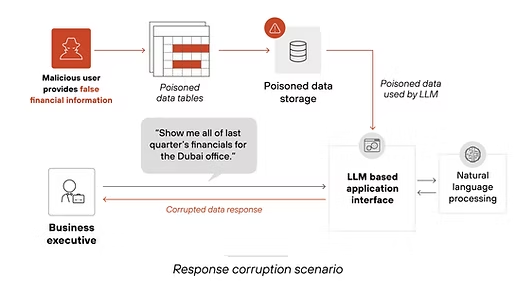
AI systems can sometimes make completely wrong decisions when the input is slightly modified—even if humans don’t notice any difference.
AWA helps us:
- Detect these vulnerabilities
- Understand why they happen
- Improve the system’s robustness
Example 1: Image Classification
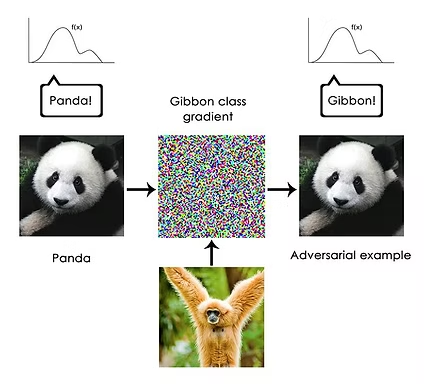
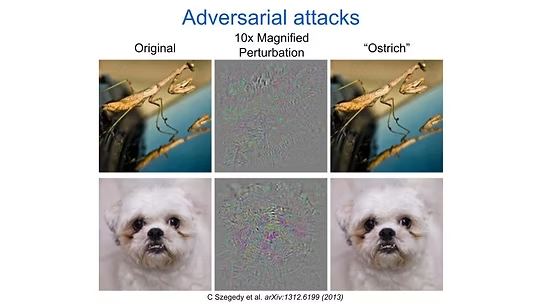
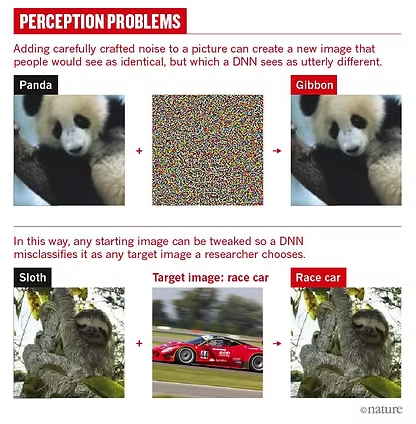
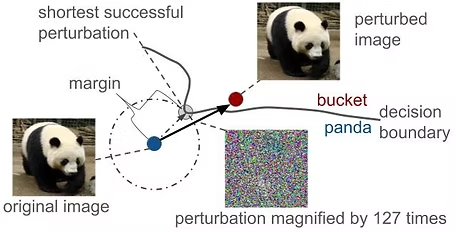
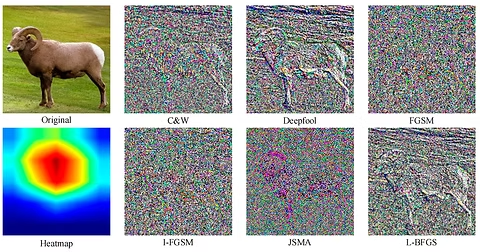
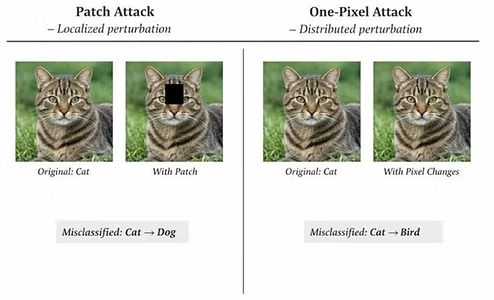
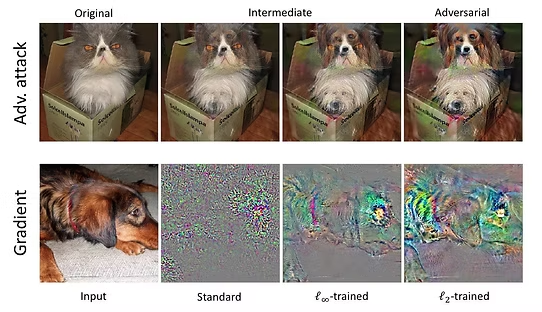
- Original image: Panda → correctly classified ✅
- Add tiny, invisible noise
- Model prediction: Gibbon ❌
👉 Insight: Small perturbations can completely mislead AI models.
Example 2: Text / Security
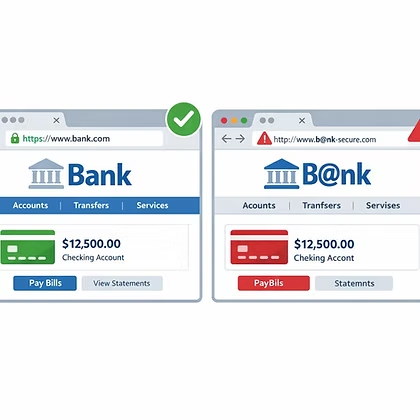
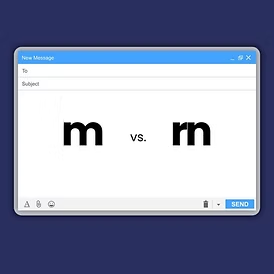
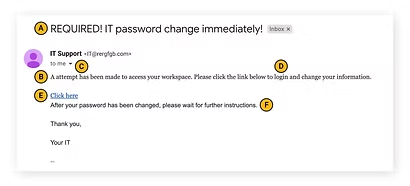
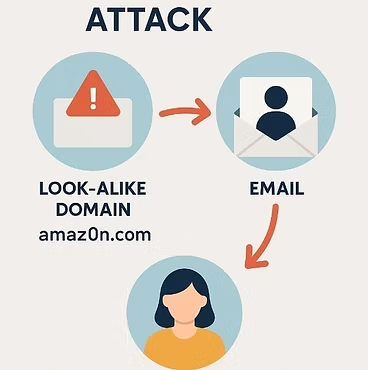
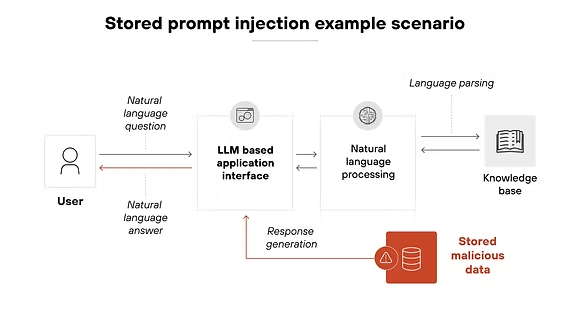
- Slight changes in text (e.g., one letter in a URL)
- Humans may overlook it
- Systems or users may be misled
👉 Insight: Minor variations can have major consequences.
Example 3: Real-world (Traffic Signs)
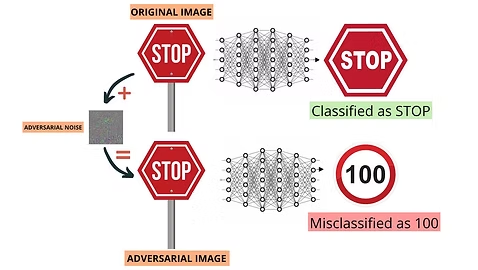
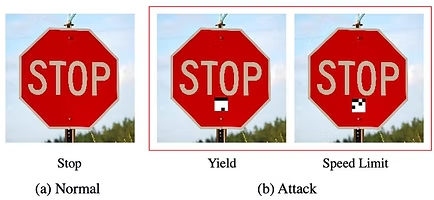
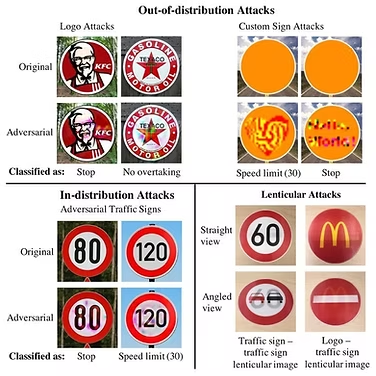
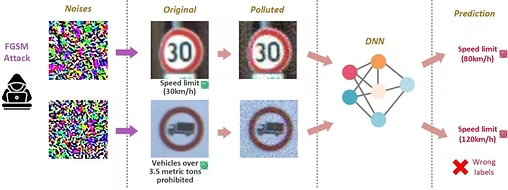
- Small stickers added to a STOP sign
- Humans still recognize it correctly
- AI model misclassifies it ❌
👉 Insight: Adversarial attacks can happen in the physical world, too.
What does AWA actually do?
- Identify weaknesses. Where is the model vulnerable?
- Simulate attacks. Test how the model behaves under manipulated inputs
- Measure robustness. How stable is the model against perturbations?
- Improve the system. Apply techniques to make the model more secure
Common techniques
- Adversarial examples (FGSM, PGD)
- Gradient-based attacks
- Black-box attacks
- Adversarial training
AWA directly supports:
- Model Integrity → preventing manipulation
- Trusted AI Development → building reliable systems
- Risk Assessment → understanding vulnerabilities
- Security-first design → integrating security early
“Adversarial Weakness Analysis helps us understand how AI systems can be tricked by small changes—and how we can make them more robust and trustworthy.”
Final takeaway
AWA is about finding where AI fails under subtle attacks—and strengthening it before those failures happen in real-world systems.
RELATED POSTS
View all


Building Smart Detection for a SOC System (Time-Based Threat Detection)
April 12, 2026 | by ziaeework